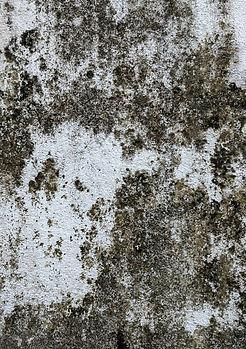
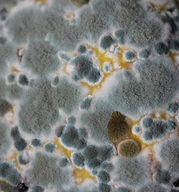
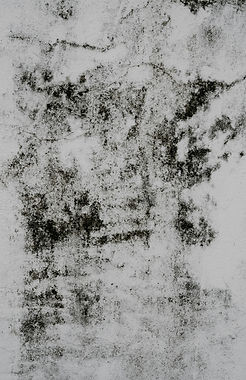
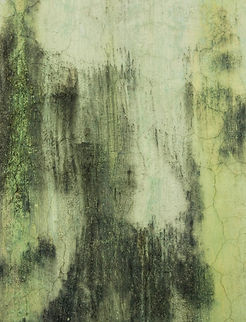
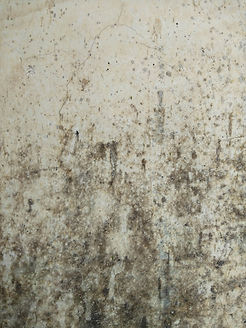
About that Mildew & Mold.....
Health Risks of Exterior Mold
Mold on the exterior of your home can pose several health risks, especially for individuals with allergies or respiratory conditions. Common symptoms include:
-
Coughing
-
Sneezing
-
Throat irritation
-
Difficulty breathing
Even if mold is primarily outside, it can still affect those with sensitivities, leading to allergic reactions.
Structural Damage
Mold can damage the materials of your home. It feeds on organic materials like wood, drywall, and paper. Over time, this can weaken the structural integrity of your home, leading to:
-
Rotting wood
-
Compromised walls and ceilings
-
Potential collapse of affected areas
Property Value Impact
The presence of mold can decrease your home's value. If you plan to sell, mold issues may deter potential buyers or lead to lower offers.
Potential for Indoor Spread
Exterior mold can easily spread indoors. Spores can enter through vents, windows, and cracks, leading to more serious mold problems inside your home. This can exacerbate existing health issues and create a larger remediation challenge.
Prevention and Action
To prevent mold growth, regular pressure and soft washing is recommended for our area. Anyone can easily tell when it hasn't been done. We would be happy to provide a free inspection during service calls to alert you of any problems that have been caused so far.. If you notice mold, it’s crucial to act quickly to remove it and prevent further spread. Mildew is not to be underestimated as well.
Here's a detailed comparison between mildew and mold:
Mildew
-
Appearance: Light-colored, powdery spots, often seen as benign.
-
Location: Commonly found on surfaces like walls and fabrics.
-
Moisture Requirement: Requires less moisture, often thriving in damp areas.
-
Growth Rate: Grows relatively slowly, but signals an underlying problem.
-
Health Risks: Mild allergies such as sneezing or coughing.
-
Structural Damage: Minor to moderate damage, mainly affecting appearances.
-
Odor: Generally odorless, but may indicate moisture issues.
Mold
-
Appearance: Dark, fuzzy patches or spots, indicative of a more serious issue.
-
Location: Can infest a variety of materials, including wood and insulation.
-
Moisture Requirement: Thrives in high-moisture conditions, indicating potential water damage.
-
Growth Rate: Propagates quickly, spreading throughout the home and worsening conditions.
-
Health Risks: More severe respiratory problems, increased risk for asthma, and potential toxic reactions.
-
Structural Damage: Significant damage to structural integrity, leading to costly repairs or replacements.
-
Odor: Produces a musty odor, often a strong indication of growth.
Serious Implications of Mildew and Mold
Mildew
-
Often dismissed as harmless, these white or gray patches can be misleading. They indicate moisture, which, if left untreated, can set the stage for more severe problems.
-
While it may seem minor, the allergy-induced discomfort it causes can escalate, especially for those with compromised health.
-
Though it may not cause significant damage initially, it indicates underlying dampness that could lead to more serious deterioration.
Mold
-
The darker, more aggressive manifestation of fungal growth should not be ignored. Its presence signals potential extensive problems hiding within your walls.
-
Mold can lead to serious respiratory issues, especially for older adults whose health may already be vulnerable. Chronic exposure can exacerbate existing conditions or create new health challenges.
-
Mold has the potential to undermine the very foundation of your home, leading to costly repairs and making your living environment unsafe. The longer it goes unchecked, the more severe the damage becomes.
-
For older homeowners, the risks posed by both mildew and mold are far from trivial. Proactive monitoring and prompt intervention are crucial not only for maintaining the aesthetic quality of the home but also for safeguarding health and preserving the integrity of the dwelling. If you notice either mold or mildew, act swiftly to mitigate their impact before they escalate into a more serious problem. Oh and, did I mention we are awesome painters too?
Common Types of Mold Found on Home Exteriors in Florida
Florida's climate, characterized by high humidity and frequent rainstorms, creates ideal conditions for mold growth on home exteriors. Here are some of the most common types of mold encountered:
1. Cladosporium
-
Appearance: Dark green or black with a suede-like texture.
-
Locations: Grows on wood, fabrics, and air conditioning systems.
-
Impact: Can trigger allergic reactions, though not considered toxic.
2. Aspergillus
-
Appearance: Comes in various colors, including green, yellow, and black, typically with a powdery texture.
-
Locations: Common in areas with water damage and can be found on roofing, building materials, and within air conditioning units.
-
Impact: Can cause respiratory issues and allergic reactions, particularly concerning in individuals with weakened immune systems.
3. Stachybotrys Chartarum (Black Mold)
-
Appearance: Dark green or black, often slimy.
-
Locations: Thrives in damp areas, such as behind walls, under roofs, and in hidden leaks.
-
Impact: Considered toxic, associated with serious health complications like respiratory problems and chronic fatigue.
4. Alternaria
-
Appearance: Dark green or black, velvety texture.
-
Locations: Frequently found in water-damaged areas, especially in bathrooms and near leaks.
-
Impact: Known to cause allergic reactions and respiratory irritation.
5. Fusarium
-
Appearance: White, pink, or red, can change texture from moist to powdery.
-
Locations: Often found in damp wood and building materials.
-
Impact: Can be both allergenic and toxigenic, leading to health issues with prolonged exposure.
6. Penicillium
-
Appearance: Bluish-green, fuzzy texture.
-
Locations: Common in insulation, ceilings, and behind walls, especially when moisture is present.
-
Impact: Can lead to respiratory issues; some species can produce mycotoxins.
In Florida's humid environment, maintaining proper ventilation and moisture control is critical to preventing mold growth. Regular inspections, especially after heavy rains or leaks, can help protect both your home's structure and inhabitants' health. If mold is detected, consulting a professional for remediation is recommended to ensure safe removal and proper handling.